
Insurance in Oswego County, New York
The Fulton office
Eastern Shore Insurance Agency
- 101 Cayuga Street, Fulton, NY 13069
- 315-598-6000
- Mon – Thu: 8:30 AM – 4:30 PM Fri: 8:30 AM – 2:30 PM
Get directions
Independent Advice
We work for you, not the insurance companies.
Employee-Owned
A team committed to your business and your success.
Six Local Offices
Proudly serving Central & Upstate New York.
Who We Work With
What are you looking to cover?
For your home and family
Home, auto, flood, and the camps and boats that come with living here.
For your business or municipality
Liability, property, workers’ compensation, fleet, and the certificates your contracts ask for.
Across The County
Serving communities throughout Oswego County

Along the river
- Fulton
- Phoenix
- Minetto
- Volney
- Granby
- Schroeppel
On the lake
- Oswego
- Scriba
- Mexico
- Mexico
The southern and western towns
- Central Sq
- Hannibal
- Palermo
- Hastings
- West Monroe
Covering the northern end of the county? Our Pulaski office serves Pulaski, Sandy Creek, Richland, and the Tug Hill communities.
Local Conditions
The risks that come with living and working here
Lake-effect snow and roof load.
Flood Risk and coverage gaps.
Aging buildings and code risks.
Seasonal and shoreline property.
What We Write
Coverage for the way you live and work here
Business insurance
General liability, property, workers’ compensation, and commercial auto for local employers.
Home insurance
Built for Central New York winters and the buildings that have stood through them.
Flood insurance
The coverage your homeowners policy excludes, written for the river corridor and the lakeshore.
Auto insurance
Coverage for every driver in the house.
Public entity insurance
For the towns, villages, and districts across the county.
Local Industry
Built for the way Oswego County works
Local People. Real Experience.
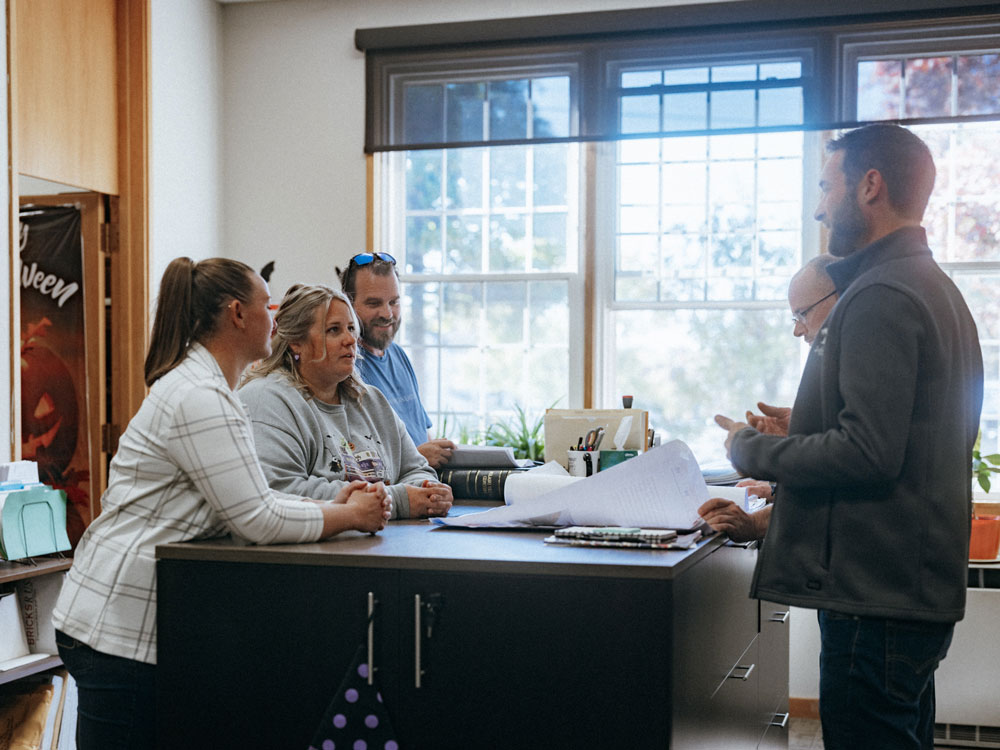
The people you will actually talk to

Something happen?
Frequently Asked Questions
Oswego County FAQs
Do I need flood insurance in Oswego County?
Does my homeowners policy cover damage from snow and ice?
Is my camp or seasonal property covered under my homeowners policy?
Can I switch agencies in the middle of a policy term?
Local Service Areas
Nearby service areas
Northern Oswego & Tug Hill
Cities, towns and rural communities across Northern Oswego and Tug Hill.
Syracuse & Onondaga County
Serving Syracuse and surrounding communities in Onondaga County.
Oneida County
Local support for individuals and businesses throughout Oneida County.
Across The County
The risks that come with living and working here
Lake-effect snow and roof load.
Oswego County sits directly downwind of Lake Ontario, and the snow totals that produces are a property underwriting factor rather than a talking point. Roof collapse, ice damming, and the water damage that follows a thaw are claims we see every year.
Flood exposure the standard policy excludes.
The Oswego River corridor and the Lake Ontario shoreline both carry flood exposure, and high-water years have reached properties that had never taken water before. Flood is excluded from homeowners and commercial property policies, which catches people who assumed otherwise.
Older building stock.
A lot of the county's commercial and residential buildings predate current code. After a covered loss, the cost of bringing a building up to code is its own coverage question, and it is one worth answering before the loss rather than after.
Seasonal and shoreline property.
Camps, cottages, and seasonal properties along the lake and the river are rated differently than year-round homes, and the difference matters at claim time.